Be yourself; Everyone else is already taken.
— Oscar Wilde.
This is the first post on my new blog. I’m just getting this new blog going, so stay tuned for more. Subscribe below to get notified when I post new updates.
Be yourself; Everyone else is already taken.
— Oscar Wilde.
This is the first post on my new blog. I’m just getting this new blog going, so stay tuned for more. Subscribe below to get notified when I post new updates.
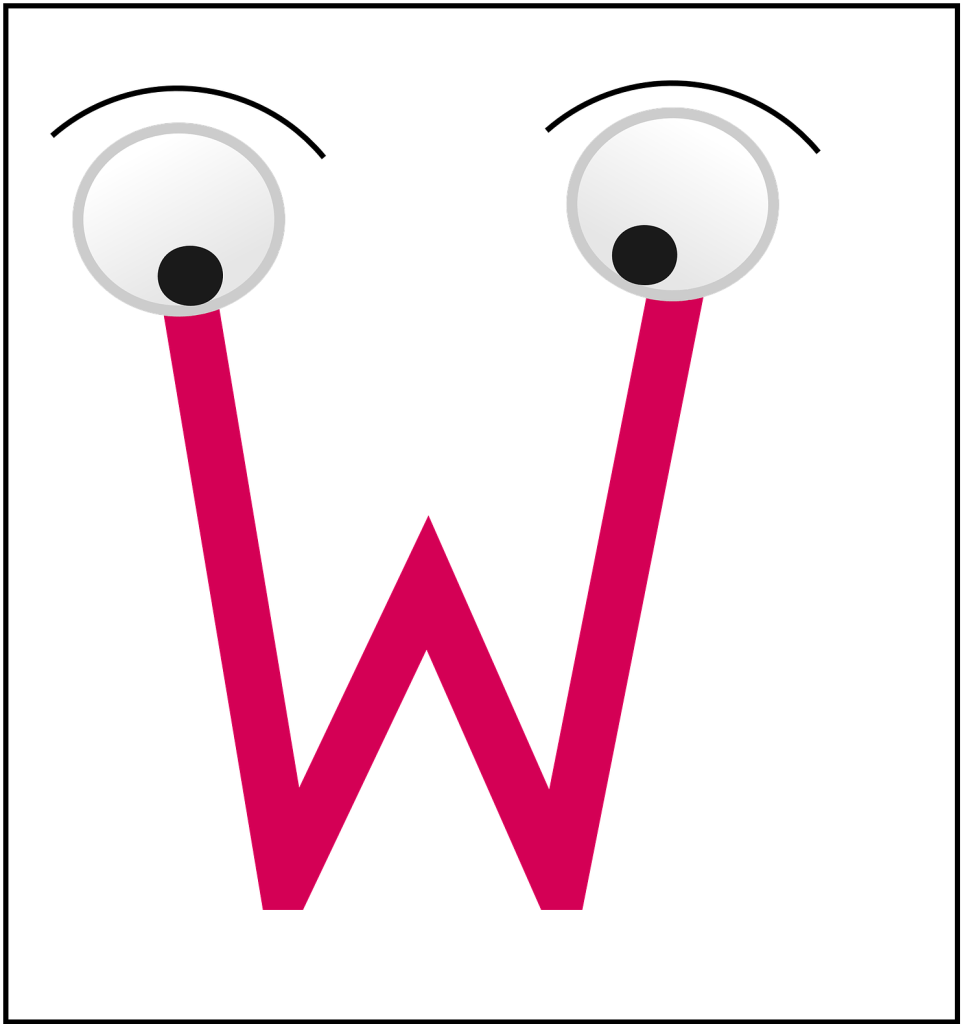
What is W-sitting?
When your child sits on the ground, his bottom is between their legs, and his knees are bent with legs turned away from the body.
All children have the potential to begin the W-sitting habit because it increases his base of support and stability. It allows them to concentrate on the play than balancing themselves.
Is W-Sitting a Concern?
When the child tries to sit from crawl position, he temporarily achieves W-sitting. If the child continues to be in the same position when he starts standing, it is a matter of concern, in such case you should consult Child Specialist in Nashik.
Causes of W-sitting:-
Effects of W-sitting:-
Hip distortion:-W-sitting puts enormous pressure on the internal aspects of their hip joints which causes shortening of stabilising muscle. It impacts their walking development.
Knee-foot distortion:-In W-sitting there is internal rotation of knee and external rotation of the ankle. It causes tightness in their hamstring and T.A tender. E.g.: pigeon toe gait.
Poor development of toe muscle:-It is a secondary side effect. As kids stabilise themselves by extreme rotation of their legs, they do not need to use the muscles in their core to stay upright or to balance.
Lack of cross-body coordination:-In this position, the child cannot achieve trunk rotation and cannot shift his weight over each side. This leads to poor weight shift, difficulty in balance reaction and Bilateral coordination. Indirectly this will affect milestones.
How to correct W-sitting:-
If you notice your child is sitting in W-sitting for a long time, try to follow the instructions given below.
This is an example post, originally published as part of Blogging University. Enroll in one of our ten programs, and start your blog right.
You’re going to publish a post today. Don’t worry about how your blog looks. Don’t worry if you haven’t given it a name yet, or you’re feeling overwhelmed. Just click the “New Post” button, and tell us why you’re here.
Why do this?
The post can be short or long, a personal intro to your life or a bloggy mission statement, a manifesto for the future or a simple outline of your the types of things you hope to publish.
To help you get started, here are a few questions:
You’re not locked into any of this; one of the wonderful things about blogs is how they constantly evolve as we learn, grow, and interact with one another — but it’s good to know where and why you started, and articulating your goals may just give you a few other post ideas.
Can’t think how to get started? Just write the first thing that pops into your head. Anne Lamott, author of a book on writing we love, says that you need to give yourself permission to write a “crappy first draft”. Anne makes a great point — just start writing, and worry about editing it later.
When you’re ready to publish, give your post three to five tags that describe your blog’s focus — writing, photography, fiction, parenting, food, cars, movies, sports, whatever. These tags will help others who care about your topics find you in the Reader. Make sure one of the tags is “zerotohero,” so other new bloggers can find you, too.

 Site Title